Contextual field studies
We observe the task where it happens — ward, warehouse, shop counter, home office.
UX Research & Audit
Analytics tell you where people leave. Research tells you why. We run the small, close, well-placed studies that change a decision — usually in under three weeks.
Start a project →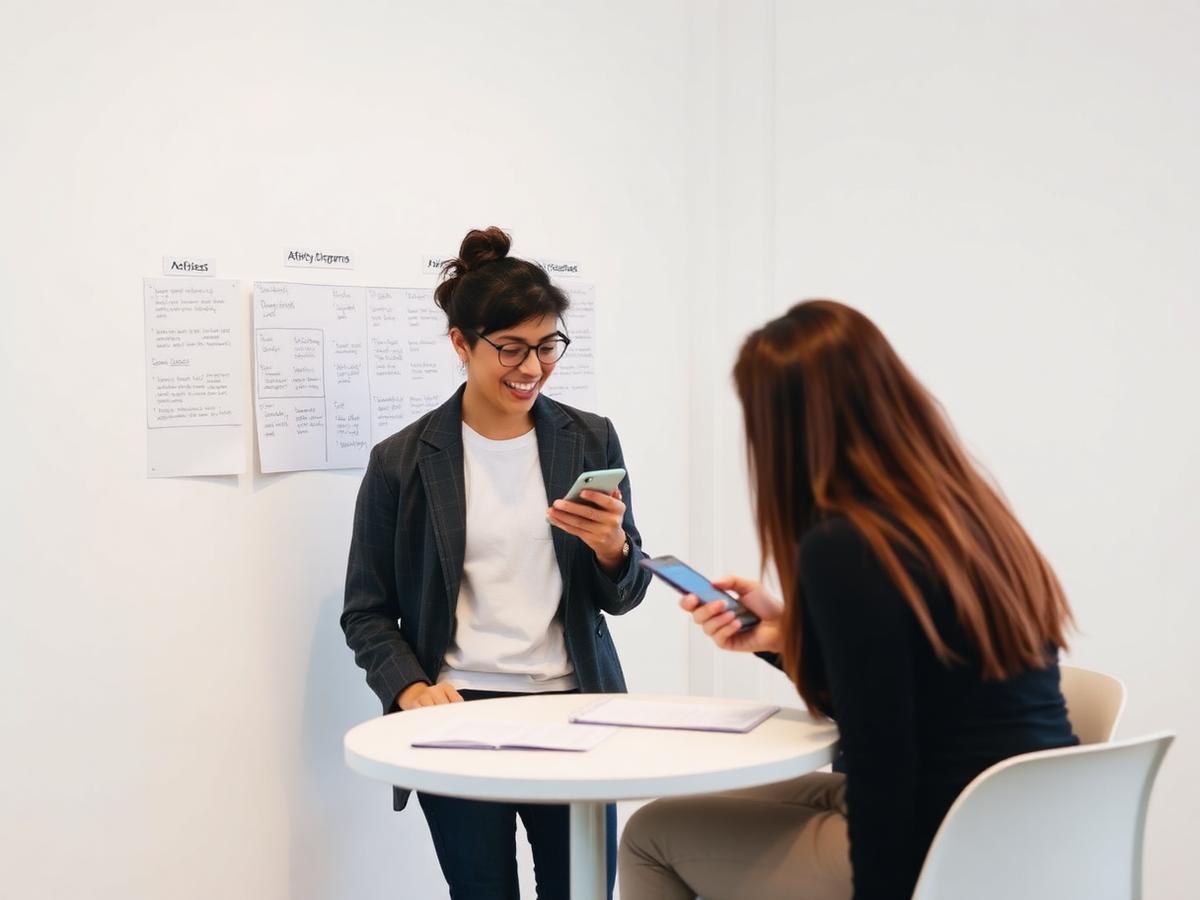
Structured observation of real users, plus expert review of the product against usability, accessibility and task-completion standards.
Small samples, observed in context. Eleven users in their own environment beats thirty in a lab, every time.
What we offer
We observe the task where it happens — ward, warehouse, shop counter, home office.
8–12 participants per round, recorded, with a written decision per finding.
Expert review scored against task completion, clarity, consistency and error recovery.
WCAG 2.2 AA review with keyboard, screen-reader and contrast testing.
Quantitative baseline so qualitative findings land against real numbers.
Recruitment, consent, incentives and a repeatable cadence your team can run.
Process
01
One decision the research has to inform. If we can't name it, we don't run the study.
02
Real users of the real product, screened against the behaviour that matters.
03
In context, with the interruptions that actually occur, timed end to end.
04
Patterns, not anecdotes — clustered and weighted by cost to the business.
05
A fix list ordered by impact against effort, with owners attached.
06
A working session, not a slide deck read aloud.
Benefits
We agree the measure before the work starts, so this section isn't a matter of taste.
Three weeks of evidence routinely saves a quarter of build.
Recordings end arguments that opinions extend.
You know what to fix first and roughly what it costs.
Accessibility findings arrive early enough to be cheap.
Industries we do this for
Related work
FAQs
Further reading
Powered by Musebit AI
Musebit AI handles research synthesis, design exploration, brand concepts and content so the work reaches a decision sooner.
Next service
Product Design
Design the whole product
Let's talk
We'll schedule a call to discuss your idea. After a short discovery session we send a proposal, and once it's approved we get started.