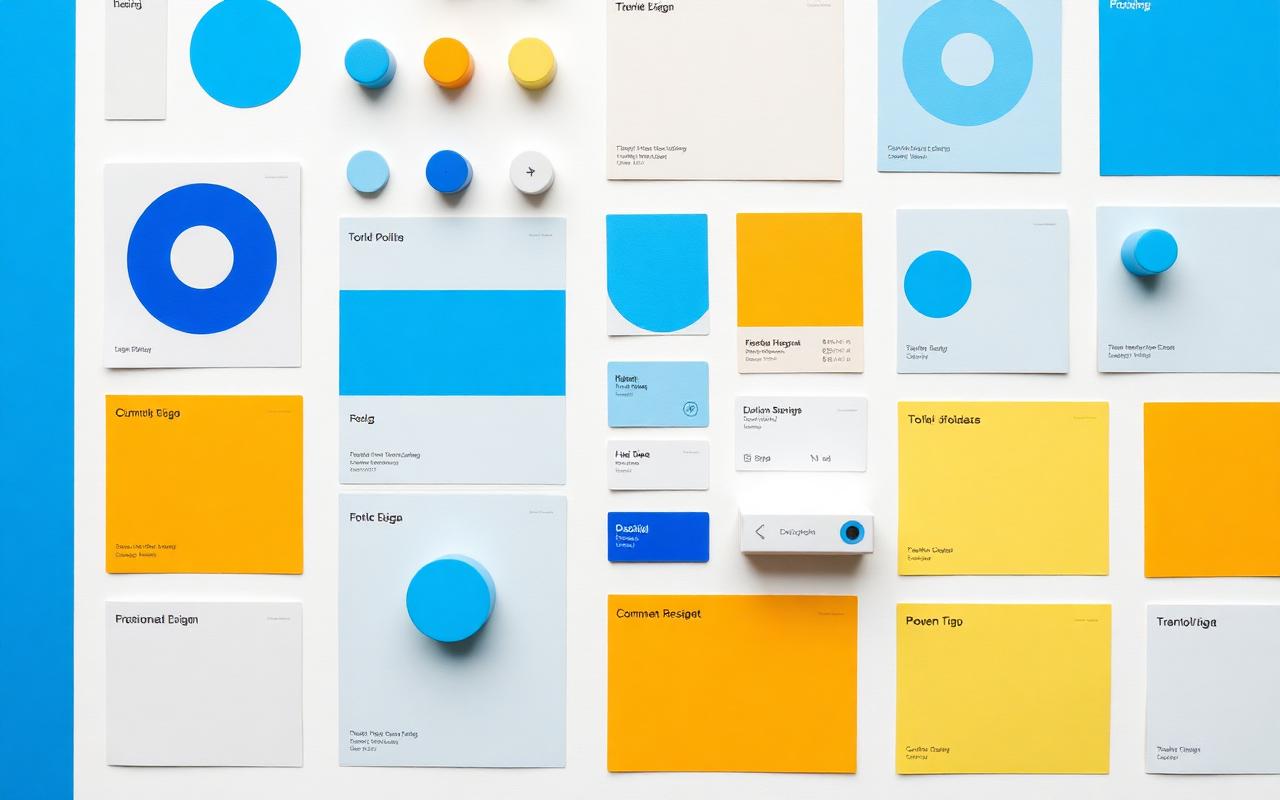
You can have 200 components and no system. The difference is whether the thing makes decisions on your behalf.
Teams show us a Figma file with two hundred components and ask why velocity hasn't moved. The file is a library. A library stores decisions. A system makes them.
Constraint is the product
Atlas Freight shipped with 31 components and four severity states. The value wasn't the components — it was that no designer had to decide what 'late' looks like ever again, and no engineer had to guess.
A good system reduces the number of open questions per screen to nearly zero. Every question you leave open is a divergence that will appear in production within two sprints.
Tokens before components
We build the type scale, spacing rhythm, color roles, and motion durations before drawing a single component. Components assembled on top of settled tokens are cheap to change; components drawn first calcify into their own accidental system.
Ship it as code or it isn't real
A system that lives only in a design tool is a proposal. We hand over the tokens and the implemented components together, which is why Atlas needed zero redlines at handoff.
The Musebit Agency team
Research, product design and design systems.